
Whether you are a home gardener, balcony grower or culinary enthusiast, the seeds you choose shape the food you eat and the soil you nurture. This guide explores why organic open-pollinated seeds are the foundation of nutritious, biodiverse and resilient gardens — with science-based reasoning and practical insight for anyone who cares about what they grow and eat.
1. Introduction
Choosing seeds is not only a gardening decision — it is a decision about nutrition, biodiversity and soil health. Organic and open-pollinated (OP) seeds support living soils, flavor, dietary diversity and low-input gardening systems.
This guide explains why choosing organic & OP seeds matters for gardeners, cooks and food enthusiasts — in simple, neutral and science-based terms.
2. How Organic Open-Pollinated Seeds Support Nutrition & Dietary Diversity
Crop diversity directly shapes dietary diversity. Organic, heirloom, landrace and farmer-bred seeds preserve:
- ✔ micronutrients
- ✔ phytonutrients
- ✔ flavor & aroma
- ✔ nutritional variability
Institutions such as the FAO highlight crop diversity as a pillar of food security, nutritional resilience and wellness.
3. Biodiversity & Pollinators
OP seeds reproduce through natural pollination networks, supporting:
- ✔ genetic diversity
- ✔ pollinators & beneficial insects
- ✔ local adaptation
- ✔ ecosystem function
Biodiversity is functional — not cosmetic.

4. Soil Health & Low-Input Gardening
Organic seeds are cultivated without synthetic pesticides, fungicides or fertilizers, supporting:
- ✔ soil microbiome integrity
- ✔ nutrient cycling
- ✔ humus formation
- ✔ root-microbe interactions
This approach aligns with soil ecology work from INRAE and low-input agriculture research.
5. Why Organic Open-Pollinated Seeds Are Perfect for Seed-Saving
Unlike hybrids, organic OP seeds are:
- ✔ true-to-type
- ✔ reproducible
- ✔ seed-saving compatible
Seed-saving strengthens:
- ✔ genetic continuity
- ✔ nutritional diversity
- ✔ flavor & culture
- ✔ resilient food systems
Food autonomy today does not mean withdrawing from the system; it means contributing to biodiversity, dietary quality, resilient and sustainable food cultures.
6. F1 & GMO — Why Not for Home Gardens
F1 hybrids and GMOs serve industrial priorities such as:
- ✔ uniformity
- ✔ logistics
- ✔ mechanization
But not:
- ✖ seed-saving
- ✖ biodiversity
- ✖ flavor
- ✖ nutrition
Reproducibility:
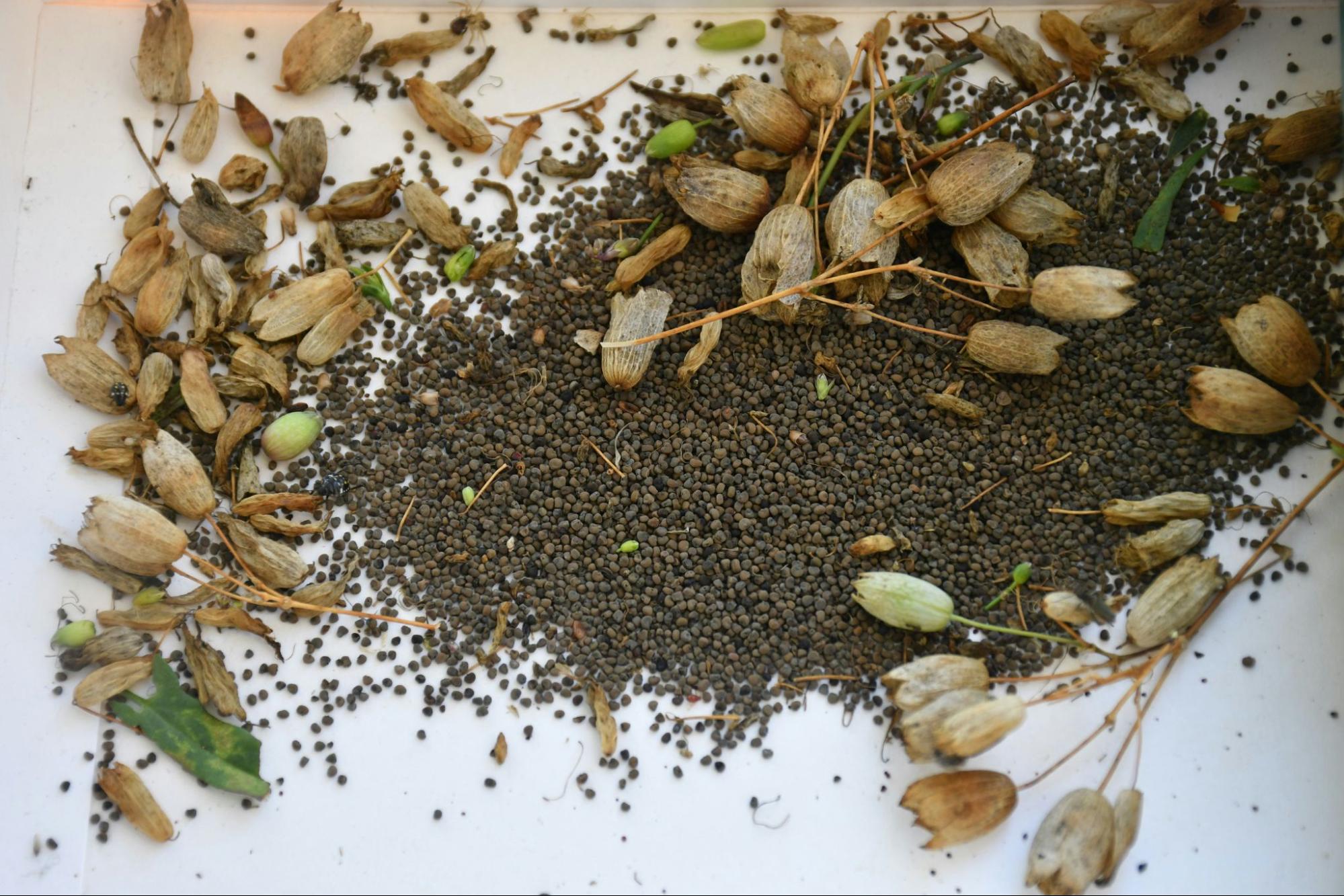
F1 hybrids are not reproducible (F2 segregation).
GMOs are non-reproducible for farmers due to patents & legal restrictions.
Both are not organic-certified and not intended for home gardening.
7. Why SeedsWild Curates Organic & OP Seeds
SeedsWild selects seeds that are:
- 🌱 organic or organically grown
- 🌱 open-pollinated & reproducible
- 🌱 GMO-free & patent-free
- 🌱 biodiversity-friendly
- 🌱 pollinator-supportive
- 🌱 microbiome-respectful
- 🌱 low-input compatible
- 🌱 no synthetic pesticides
- 🌱 no fungicides
- 🌱 no synthetic fertilizers
8. Who Benefits from Organic Open-Pollinated Seeds?
Organic & OP seeds are relevant for:
- ✅ home gardeners
- ✅ balcony growers
- ✅ food & flavor lovers
- ✅ chefs & culinary creatives
- ✅ biodiversity gardeners
- ✅ wellness-driven eaters
- ✅ climate-conscious growers
9. FAQ — Organic Open-Pollinated Seeds
Q. Are organic seeds better for nutrition?
Q. Can I save seeds from F1 hybrids?
Q. Are GMO seeds for home gardening?
Q. Are heirloom and OP seeds the same?
🌱 10. Growing for Diversity & Wellness
Gardening is becoming more than plant care — it is becoming a form of intention. Choosing organic & open-pollinated seeds means choosing nutrition, biodiversity, flavor and resilience, all within a low-input and soil-friendly approach.
If this perspective resonates with how you want to garden, here are the seeds that align with it:
- → Shop Organic & Reproducible Seeds
- → Seeds for Nutrition & Flavor
- → Seeds for Biodiversity & Pollinators
And if you want to go further by learning, planning and connecting:
- → Annual Planting Guide for 2026
- → Plan Your Garden with SeedsWild AI
- → Join the Biodiversity Gardening Community
Far far away, behind the word mountains, far from the countries Vokalia and Consonantia, there live the blind texts. Separated they live in Bookmarksgrove right at the coast of the Semantics, a large language ocean.