

What to plant in February is one of the most important questions for gardeners who want to start the season with intention. In February, start heat-lovers indoors (peppers, eggplant), sow hardy crops under cover or outdoors in mild zones (peas, broad beans, spinach), and protect your soil with mulch or cover crops—because permanent soil cover + diversification are core regenerative principles highlighted by FAO.
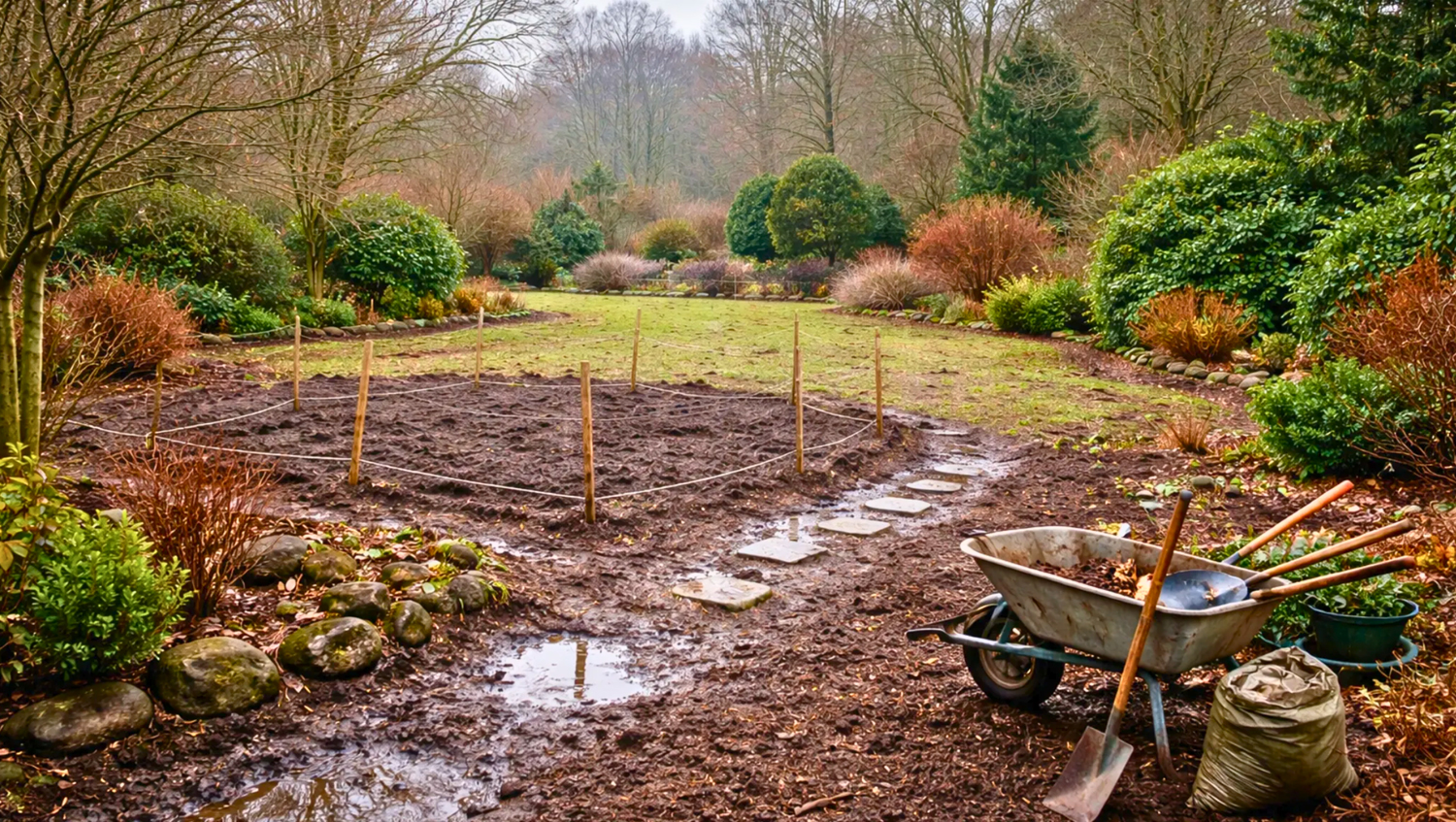
 If you’re gardening on a balcony, February is your unfair advantage—because containers warm up faster and protection is easier.


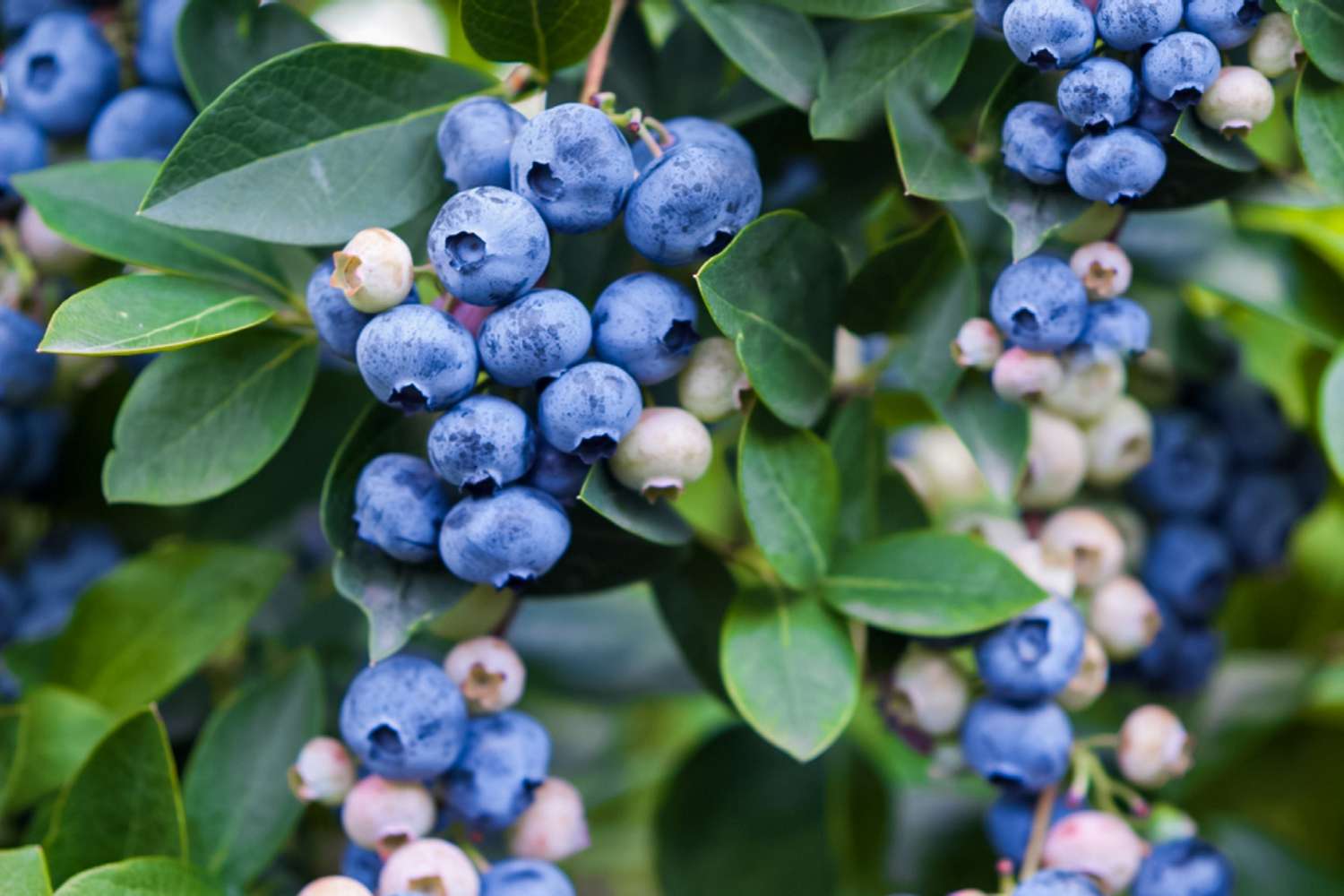
Top 10 Best February Sowings — What to Plant in February (SeedsWild Quick Box)
Best February sowings (most climates, with the right protection):- Peppers / chillies (indoors, warm)
- Eggplant (indoors, warm)
- Lettuce (under cover / cool greenhouse)
- Spinach (under cover or mild outdoors)
- Radish (under cover; fast win)
- Peas (mild outdoors / under fleece)
- Broad beans (fava) (mild outdoors; very hardy)
- Onion sets (outdoors when soil is workable)
- Leeks (under cover; variety-dependent)
- Phacelia (cover crop) (soil protection + pollinators)
Where to Sow in February — Fast Decision Table
| Zone | What to Sow/Plant in February | Notes |
|---|---|---|
| Warm indoors (18–24°C) | Peppers, chillies, eggplant, celeriac, (late Feb) tomatoes | Only start early if you have enough light (avoid leggy seedlings) |
| Under cover (greenhouse/cold frame) | Lettuce, radish, spinach, early cabbage (by variety), leeks/onions (by variety) | Protect from frost; ventilate to avoid damping-off |
| Outdoors (mild windows) | Broad beans, peas, spinach, onion/shallot/garlic sets | Plant only when soil is workable (not frozen/saturated) |
What to Plant in February by Climate Type
| Climate Type | Outdoors Sow/Plant (February) | Best Under-Cover Sowings | Extra Protection |
|---|---|---|---|
| Mild (Mediterranean / coastal) | Broad beans, peas, spinach, onion sets, garlic/shallots; (sometimes) early potatoes under protection | Lettuce, radish, early brassicas | Light fleece for cold nights |
| Temperate oceanic | Broad beans, peas (in good windows), onion sets, garlic/shallots | Lettuce, radish, spinach, leeks | Cold frame/mini-tunnel boosts success |
| Cold continental / mountain | Mostly delay outdoor sowing; plant garlic/shallots only if soil allows | Focus on protected sowings: lettuce, spinach, radish + warm starts indoors | Cold frame + fleece + stagger sowings |
1) February Energy: Why This Month Matters
February is a bridge month: still cold, but brighter. That changes everything:- some crops can handle the chill and go outside early,
- others need a warm start under cover,
- and your soil? It needs one thing: respect.
2) What to Sow in February Under Cover (Indoors / Greenhouse / Cold Frame)
If you want a head start without getting humbled by frost, this is your zone.Warm Starts (Indoors / Heated Mini-Greenhouse)
Sow in February only if you can keep steady warmth + decent light:- Peppers / chillies
- Eggplant
- Celery root (celeriac) (long season)
- Tomatoes (late Feb / early March, depending on light and region)
- Physalis
Cool Protected Sowing (Greenhouse / Cold Frame / Tunnel)
Under protection (and depending on your climate), you can start:- Lettuces (to transplant)
- Early cabbages (variety + temperature dependent)
- Onions / leeks (variety dependent)
- Radishes (fast + satisfying)
- Spinach (if soil isn’t waterlogged)
If you’re gardening on a balcony, February is your unfair advantage—because containers warm up faster and protection is easier.
3) For Balconies: What to Plant in February in Containers
No garden? No problem. A balcony in February is basically a mini-lab: you start fast crops under cover, protect roots from cold, and stack small wins that explode in spring.What to Sow Now (Easy + High Success)
- Radishes (under a mini greenhouse / cloche)
- Cut-and-come-again lettuce (modules or a shallow tray)
- Spinach (cool-season champ)
- Spring onions (from sets or sowing in trays)
- Parsley / chives (slow-ish, but worth it)
What to Start Indoors (If You Have Light)
- Peppers / chillies (warm spot + patience)
- Eggplant (only if you can keep it consistently warm)
Best Containers (Keep It Simple)
- Deep pots (20–30 cm) for peas, spinach, onions
- Window boxes for salad mixes
- Small modules to transplant later (less risk, more control)
Cold Protection That Actually Works
- Bubble-wrap or jute around pots (roots hate cold more than leaves)
- A mini greenhouse or clear storage box as a cloche
- Move pots against a wall at night (microclimate = free heat)
Regenerative Balcony Move (Tiny but Powerful)
Top-dress with 2–3 cm of compost + mulch (dry leaves/coco/hay). You’re feeding soil life and reducing evaporation—aka “less watering drama.” Balcony rule: if nights are freezing, don’t rush outdoors. Start under cover, build strong seedlings, then transplant when the weather stops playing games. “Now let’s go from balcony microclimates to open-ground conditions, climate by climate.”4) What to Sow and Plant in February Outdoors (by Climate)
Outdoors in February is not about being brave. It’s about being precise: soil must be workable (not frozen, not saturated), and protection helps.Colder Climates (Continental / Altitude)
Same crops can work, but:- lean toward under cover first,
- wait for a weather window,
- sow in waves (staggering = insurance).
Hardy February Plantings
Depending on your region, you can plant:- Garlic
- Shallots
- Onion sets
- in mild zones: early potatoes under protection
5) Flowers to Sow in February: Beauty + Pollinators
Your garden isn’t just a vegetable factory. It’s an ecosystem. The FAO’s “10 Elements of Agroecology” highlights that managing diversity supports ecosystem services like pollination and soil health.Under Cover (Indoors or in Modules)
- Cosmos (better late Feb if you have enough light)
- Marigolds (Tagetes) (the classic garden bodyguard vibe)
- Zinnias (if you can keep it warm)
Direct Sow (Mild Climates / Under Protection)
- Calendula (pot marigold)
- Nigella
- Cornflower (region dependent)
6) Trees, Shrubs & Berries: What to Plant in February
February is peak season for bare-root planting (when soil isn’t frozen):- Raspberries
- Redcurrants / blackcurrants
- Roses
- in suitable conditions: fruit trees (region dependent)
7) The Regenerative Move of the Month: Cover Crops & Soil Protection
If you do one thing in February for your future spring self: keep soil covered. The FAO frames conservation agriculture around: minimal soil disturbance, permanent soil cover, and crop diversification. Cover crops/green manures are a key tool in that logic—protecting soil, feeding biology, and stabilizing systems.8) February Checklist: What to Plant in February — Do This, Avoid That
✅ Read your soil before you touch it If it sticks to boots and compacts easily, pause. Compaction kills airflow and slows biology. ✅ Choose the right sowing zone- warm indoors = heat-lovers
- protected cool = early greens
- outdoors = hardy crops + mild windows
9) Conclusion — Start Planning What to Plant in February Today
February is where you choose your season. You can either wait for spring and panic later… or start now with calm precision and let spring feel effortless. If you want to garden smarter (and more regenerative) without drowning in contradictory advice:- 🌱 SeedsWild Marketplace: grab organic, open-pollinated seeds that match the season
- 🤖 SeedsWild AI App: SeedsWild AI can personalize your garden by your location, identify your plants, plan your sowing windows, and get smart alerts based on your local conditions
- 🫶 SeedsWild Community: post your February setup, your seedlings, your questions—let’s grow a knowledge-garden together
References
- INRAE — Increase the plant diversity of agricultural areas to protect crops
- FAO — Conservation agriculture & diversification
- FAO Open Knowledge — “The 10 elements of agroecology”: managing diversity promotes ecosystem services such as pollination and soil health
- FAO Open Knowledge — Cover crops/green manures protect the soil, nourish microbial life, and stabilize ecosystems
- FAO Home — Diversifying rotations improves soil health and productivity
- INRAE — Increasing diversity and mixing plants supports regulation and resilience