
Living mulch is a low, living plant layer sown beneath or between crops to protect soil instead of using inert materials. It shades, covers, and feeds—a green carpet that limits evaporation, slows weeds, shelters beneficials, and reactivates soil biology.
👉For a full view of soil care—fertility, water and natural inputs—see the SeedsWild Guide – Soil, Fertilization & Natural Inputs
2) Why use it: water, microbes, biodiversity
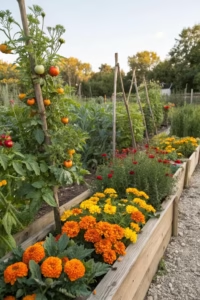
- Hydration & cooling — lowers soil temperature and reduces evaporation in summer.
- Living soil — fine roots exude sugars that feed microbes & mycorrhizae, building humus.
- Weed pressure down — quick cover + shade.
- Useful biodiversity — hoverflies, wild bees and ladybirds get nectar, habitat, and prey.
- Climate resilience — cushions heat/drought spikes and stabilizes yields.
Evidence snapshot: INRAE & FAO syntheses show covered soils improve infiltration, erosion control, and ecosystem services including pollination support.
3) Best species (by climate & crop)
Goal: low stature, light competition, and function (nectar or N-fixation).
Legumes (N-fixing)
- Dwarf white clover (Trifolium repens ‘pipolina’) — perennial, very low; fits under tomatoes & squash.
- Alfalfa mini / Birdsfoot trefoil — for lean, dry soils; deep rooting.
Non-legumes (structure & nectar)
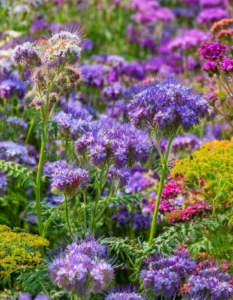
- Phacelia — annual, bee-magnet, fast cover, easy to terminate.
- Buckwheat — short cycle, summer weed smother.
Yarrow, sweet alyssum — attract natural enemies; staggered bloom.
Compact aromatics (minimal competition)
- Wild thyme (serpyllum), compact oregano — nectar for pollinators and light pest confusion.
Winning combos
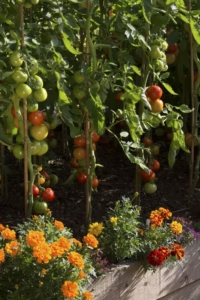
- Tomato + dwarf white clover (durable, low competition)
- Zucchini + phacelia (nectar & fast cover)
- Strawberries + yarrow/alyssum (pollinators + beneficial insects)
👉To fine-tune crop pairings and natural enemy support, see our guide to companion planting — balanced guilds, bloom timing, and trap crops, or Green Manure — Cover Crops that Feed Your Soil
4) How to install it (step by step)
4.1 Prep
- Fine seedbed, mostly clean to start (a light stale seedbed helps).
- Broadcast evenly by mixing seed with dry sand.
4.2 Sow & water
- Surface sow (or 0.5–1 cm depending on species); keep evenly moist until emergence.
- Typical rates for blends: 6–12 g/m², adjusted to seed size.
4.3 Manage competition
- High cut (not scalping) if the cover competes too much.
- Keep a 5–10 cm collar gap around crop stems for air & light.
4.4 Renew & reseed
- Allow a small patch to set seed for self-maintenance; otherwise trim before seed.
Climate-smart tip (field-tested)
Use a light-coloured mineral mulch (fine gravel/crushed shells) between rows and crop collars at establishment + one deep initial watering. The pale mulch reflects heat, cuts evaporation, and helps take-off in hot spells.
5) Care & common mistakes
- Watering — infrequent but deep; shade from living mulch extends moisture.
- Over-fertilising — skip it; aim for lean but living soil.
- Too tall species — prefer dwarf cultivars/low mixes.
- Cutting too short — leave 3–5 cm to keep photosynthesis running.
6) Use cases (veg beds, orchards, containers)
In-ground veg beds
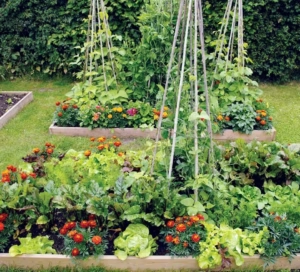
- Crop rows with permanent clover/low aromatic strips.
Drip irrigation under the living mulch = water savings.

Orchards
- Tree circles sown with phacelia + white clover mix; occasional high mowing.
Containers & balconies
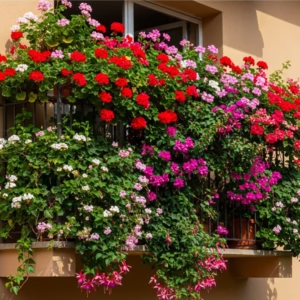
- Mini-mixes: wild thyme + sweet alyssum + phacelia (compact).
- Mind the weight: airy substrate and light sowing.
👉For crop guilds that keep pests in check while boosting pollinators, explore Companion Planting — The Art of Pairing Plants (synergies & natural enemies).
—–FAQ—-
8) Join the SeedsWild Community
🌱Start your own biodiversity-friendly garden —
👉 Explore SeedsWild’s seeds collection and design your sustainable ecosystem today.”
SeedsWild offers a selection of organic, open-pollinated seeds specially chosen for living mulching.
📦 100% organic, biodiversity-friendly, and perfect for resilient, productive gardens.
🌱 Join the SeedsWild Community — swap living-mulch blends, real-world field notes, and SeedsWild AI alerts (sowing windows, heat/wind advisories, irrigation nudges).
💚 Explore your Eco- friendly Marketplace: https://www.seedswild.com
📖 SeedsWild Resources
👉 Soil, Fertilization & Natural Inputs — The SeedsWild Guide
👉Nettle & Homemade Fertilizer — Feed the Soil Naturally
👉Green Manure — Cover Crops that Feed Your Soil