
Gardening teaches patience, but it can also feel lonely when a tomato plant wilts overnight or a seedling refuses to grow and nobody nearby can explain why. A gardening community app (communauté jardiniers application) changes that by putting you in touch with other gardeners who have already faced the same problems, in the same climate and the same season.
In this guide, we explain how these apps work, which features matter most, how to judge the advice you receive, and how the community built into SeedsWild AI helps you share successes and ask for help. Our principle is simple. You should never garden alone again.
Gardening community app in 2026 (communauté jardiniers application), never garden alone again
Temps de lecture: 9 minutes
Table of contents
- Why gardening is better together
- What is a gardening community app?
- The main types of gardening apps compared
- Key features to look for in a gardening community app
- How to get advice on a sick plant
- Can you trust community advice and automated diagnoses?
- The SeedsWild AI community, a place to share and learn
- Which gardening app is best for beginners?
- Pricing, privacy and data protection
- Never garden alone again with a gardening community app
- Frequently asked questions
Why gardening is better together
Most gardeners learn the same way. They try something, observe the result and talk about it with someone more experienced. Before smartphones, that conversation happened over the fence, at the local market or in a community garden. Today it also happens online, and it can reach far beyond your street.
A community does more than answer questions. It keeps you motivated through difficult seasons, shows you what works in conditions close to yours and turns small wins, like a first harvest of physalis or a balcony full of blooms, into moments worth sharing. For beginners, it removes much of the fear of getting started. For experienced growers, it is a place to pass on knowledge, document methods and discover varieties they had never considered.
What is a gardening community app?
A gardening community app is a mobile or web application that connects gardeners so they can share observations, ask for advice, identify plants, exchange seeds or take part in local projects. It works like a garden social network app, but its tools are designed around plants, seasons and growing conditions rather than general entertainment.

Core features of a gardening community app
The core of most apps is social. You create a gardener profile, follow other members and scroll a photo feed of gardens at different stages. Q&A threads let you ask gardening questions online and receive peer-to-peer advice, while comments and reactions help the most useful answers rise to the top. Many apps then add practical tools such as a garden journal, crop planning, a planting calendar, seasonal tasks and reminders, and push notifications.
Some apps go further. According to its store listing, Gardenstead focuses on local communities, meeting nearby gardeners, swapping seeds and discovering collective projects. iNaturalist, as described by the Denver Post in its 2026 review of gardening apps, combines automated identification with verification by other users. Other tools, such as Seedtime or GrowVeg, are mainly built for planning and only offer limited social features.
The main types of gardening apps compared
Not every app labelled as a gardening app is truly a community app. The comparison below, based on publisher descriptions and independent reviews, helps you see where each type of tool fits.
| App or solution | Main purpose | Community dimension | Best suited for |
|---|---|---|---|
| Gardenstead | Local communities, seed swaps, collective projects | Strong | Gardeners looking for nearby connections |
| iNaturalist | Plant identification with collaborative validation | Strong | Anyone wanting identifications checked by other users |
| PictureThis | Plant identification and diagnosis | Limited to variable | Beginners who want quick answers |
| Seedtime | Advanced crop planning | Low to variable | Gardeners organising complex rotations |
| GrowVeg | Visual bed and plot design | Low | Users planning their growing space |
| Plantix | Disease diagnosis and growing advice | Strong in an agricultural context | Growers facing plant health issues |
| SeedsWild AI | AI plant assistant, community groups, organic seed marketplace | Strong, organised by themes | Eco minded gardeners from beginner to expert |
There is no single best gardening community app for everyone. The right choice depends on whether you mainly want local connections, collaborative identification, planning tools or a mix of social exchange and personalised guidance.
Key features to look for in a gardening community app
When you compare apps, a large number of downloads on Google Play or the Apple App Store is not enough. What counts is how active and helpful the community is, and how well the tools match your garden. Before installing an app, check the following points:
Essential criteria to compare gardening apps
- An active community, with frequent posts, fast replies to questions and experienced gardeners who take time to answer.
- Local relevance, with the ability to set your climate zone, join local gardening groups and receive pest and disease alerts or weather warnings for your area.
- Reliable identification, ideally combining plant identification by photo with crowdsourced identification so other members can confirm or correct results.
- Practical garden tools, such as a garden journal, harvest tracking, a planting calendar and personalized recommendations.
- Clear community moderation, with rules, reporting tools and a way to flag incorrect information.
- Transparent privacy settings and location sharing options, so you decide exactly what other users can see.
Location matters more than many beginners expect. Advice that works under a Mediterranean climate may fail in Brittany or in the Alps. Reference systems such as the USDA Plant Hardiness Zone Map or the Köppen climate classification are often used to describe growing conditions, and a good app will use similar logic to connect you with gardeners whose conditions resemble yours.
Good to know
An app to connect with local gardeners is especially useful if you belong to a community garden or a jardin partagé, because members can coordinate tasks, share surplus seedlings and organise seed swap or cutting exchange days.
How to get advice on a sick plant
This is one of the most common reasons gardeners join a community. When a plant shows yellow leaves, spots or stunted growth, the quality of the answer depends largely on the quality of your question.
Share clear photos and growing conditions
Start with clear photos taken in natural light: the whole plant, a close view of the affected leaves, both sides of a leaf and, if possible, the base of the stem. Then add context. Mention the variety, the age of the plant, how often you water, whether it grows in pots or open ground, and recent weather such as a heatwave or late frost. Members can then compare your case with what they have seen in similar conditions.
Many apps also offer automated plant disease diagnosis from a photo. Scientific literature on horticultural apps, including a study published in the journal Sustainability, describes tools that combine photo based disease detection, local alerts and good practice advice. These features are a useful first step, especially when they are combined with community feedback. Prevention based approaches, inspired by Integrated Pest Management (IPM), remain the most reliable long term strategy: healthy soil, good spacing, crop rotation and companion planting that attracts beneficial insects.
Can you trust community advice and automated diagnoses?
Community advice and AI tools are powerful, but they have limits. The Denver Post review notes that user networks can improve the reliability of identification thanks to corrections from experienced members. The reverse is also true. A community can contain contradictory opinions, and automated identifications can be wrong, particularly with young plants, rare varieties or blurry photos.

The best approach is to cross check. Compare the AI suggestion with replies from several gardeners, look for answers from members who explain their reasoning, and consult reference sources such as the Royal Horticultural Society for plant profiles and disease information. For serious problems, unknown plants that might be toxic, or anything involving children and pets, a local nursery, a horticultural association or a professional remains the safest option.
Important
Never eat a wild plant or a mushroom on the basis of an app identification alone, even when several users agree. Always confirm with a qualified expert.
The SeedsWild AI community, a place to share and learn
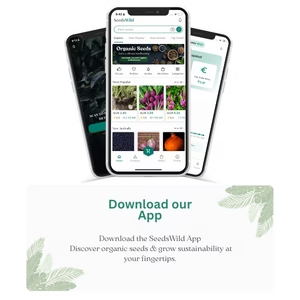
We built SeedsWild AI around a simple idea: technology should bring gardeners closer to each other and to nature, not replace the human side of gardening. That is why our AI gardening assistant app is paired with an integrated community where you can share garden photos, ask questions and follow other gardeners who share your values.
Our community is organised into thematic groups so you find the right conversation quickly. Members exchange in groups dedicated to climate based recommendations, growth and care, seasonal plant tips, gardening essentials, plant health insights, plant protection advice and plant care tips. Questions are tagged by subject, such as seeds, plants or AI, which makes it easy to browse what others have already asked before posting your own question.
Alongside the community, the AI plant assistant provides personalized seed recommendations adapted to your conditions and real time weather alerts to help you protect your plants. This combination is what makes the experience different. The AI gives you a fast, tailored starting point, and the community adds lived experience, nuance and encouragement.
The community is also connected to our marketplace, where independent producers of organic and reproducible seeds can become sellers. For gardeners who care about biodiversity and food autonomy, this creates a natural link between discussing a variety, learning how to grow it and finding seeds from producers who share the same commitment.
Which gardening app is best for beginners?
If you are just starting out, simplicity matters more than an endless list of features. A gardening app for beginners should offer clear explanations, a seasonal planting calendar, reminders for key tasks and, above all, an active community where no question is considered too basic.
A good test is to post a simple question during your first week. If you receive friendly, precise answers within a reasonable time, the community is probably worth your time. Beginners also benefit from following experienced gardeners in a similar climate, because watching another garden evolve through the seasons is one of the fastest ways to learn.
Pricing, privacy and data protection
How gardening apps handle pricing and privacy
Most apps follow one of several models: a free gardening community app supported by advertising, a free version with a premium subscription for advanced features, or in app purchases. Prices and features can vary by country and operating system, so check the official listing on Google Play or the Apple App Store before subscribing.

Privacy deserves the same attention. A community app may collect your location, photos, messages and usage habits. In France and the rest of the European Union, the GDPR gives you rights over your personal data, including access and deletion, and the CNIL oversees how companies apply these rules. Before signing up, read the privacy policy, review the permissions requested and adjust your location sharing so that you share your region without revealing your exact address.
Key takeaway
The most useful app is the one that combines an active, well moderated community with tools adapted to your climate, and that respects your data.
Never garden alone again with a gardening community app
A gardening community app turns a solitary hobby into a shared adventure. It helps you diagnose problems faster, learn from gardeners in conditions like yours, celebrate harvests and contribute your own experience in return. By choosing a tool with an active community, local relevance, reliable identification and transparent privacy settings, you give your garden and yourself the best support possible. With SeedsWild AI, we bring together personalised AI guidance and a community of gardeners who care about organic growing and biodiversity, so you can grow with confidence and never garden alone again.
FAQ
Can I swap seeds and cuttings with other gardeners through an app?
Yes, some apps include seed swapping features or local groups where members organise exchanges. Gardenstead, for example, presents seed swaps as part of its local community features. Always check the rules that apply to plant material in your country before sending seeds or cuttings by post.
How often should I post in a gardening community to get value from it?
There is no rule, but regular participation helps. Sharing updates every few weeks, answering questions you know well and documenting your progress in a garden journal builds trust and makes other members more likely to help when you need it.
Can a gardening community app help me plan my vegetable garden?
Many apps include crop planning tools, planting calendars and seasonal reminders. Even when planning tools are limited, community members often share rotation plans and sowing dates for their region, which you can adapt to your own plot.
Is it safe to share photos of my garden?
Generally yes, as long as you control your settings. Avoid photos that show your house number or street, disable precise geolocation in image metadata if possible and use the app’s privacy options to limit who can see your profile.
What should I do if I receive contradictory advice?
Ask members to explain their reasoning and compare their growing conditions with yours. Advice from gardeners in a similar climate zone, supported by reliable references, is usually more relevant than a single confident answer from someone growing in a very different environment.