
There is something deeply satisfying about walking into the garden, picking a handful of fragrant leaves and turning them into a warm cup a few minutes later. Tisanes du jardin, as the French call garden herbal teas, bring together two simple pleasures: growing plants and slowing down to enjoy them.
You do not need a large plot or expert skills. A few well chosen herbs, a sunny spot and some basic know how are enough to start your own herbal tea garden, harvest it at the right moment and brew homemade herbal tea blends all year round.
Tisanes du jardin – Grow, dry and brew your own herbal tea
Temps de lecture: 9 min
- Why tisanes du jardin fit a slow living routine
- Best herbs to grow for tea
- Growing tea herbs in pots or a small garden
- When and how to harvest herbs for tea
- Fresh vs dried herbs for tea and how to dry them
- Our three favorite homemade herbal tea blends
- Safety first: identification, chemicals and health
- Start your own herbal tea garden with tisanes du jardin
- FAQ
Why tisanes du jardin fit a slow living routine
A garden herbal tea is an infusion made from the leaves or flowers of herbs you grow yourself. Unlike a bag bought off the shelf, every step is in your hands, from sowing to steeping. That is the heart of the homemade approach: you know where your plants grew, how they were treated and when they were picked.
Growing your own herbal tea also changes the rhythm of the day. Checking on your mint after rain, cutting lavender on a dry summer morning or hanging bundles to dry in a quiet corner of the house are small rituals that invite you to pay attention to the seasons.
At Seeds Wild, we see these gestures as a natural extension of organic gardening: a way to enjoy flavor and fragrance while supporting biodiversity, since many tea herbs also attract pollinators when they bloom.
Best herbs to grow for tea
Core herbs for a beginner tea garden
If you are building a herbal tea garden for beginners, start with plants that are forgiving and generous. Oregon State University Extension and Washington State University Extension both list a similar core group of herbs for tea, including mint, lemon balm, chamomile, lavender, bee balm, rosemary, thyme and lemon verbena. The part you harvest differs from one plant to another, which matters when you plan your harvests.
| Herb | Part used for tea | Growing note |
|---|---|---|
| Mint (Mentha) | Leaves | Spreads quickly, best kept in a container |
| Lemon balm (Melissa officinalis) | Leaves | Can also spread, keep an eye on it |
| Chamomile (Matricaria chamomilla) | Flowers | Harvest flower heads regularly |
| Lavender (Lavandula) | Flowers | Needs sun and very good drainage |
| Lemon verbena | Leaves | Appreciates warmth and shelter |
| Thyme and rosemary | Leaves | Drought tolerant once established |
This short list already covers fresh, citrusy, floral and herbaceous notes, which gives you plenty of room to create your own herbal blend.
If you prefer to grow from seed, choosing organic, open pollinated varieties lets you save seed later and keep your favorite plants going year after year.
Growing tea herbs in pots or a small garden
Containers, light and water for tea herbs
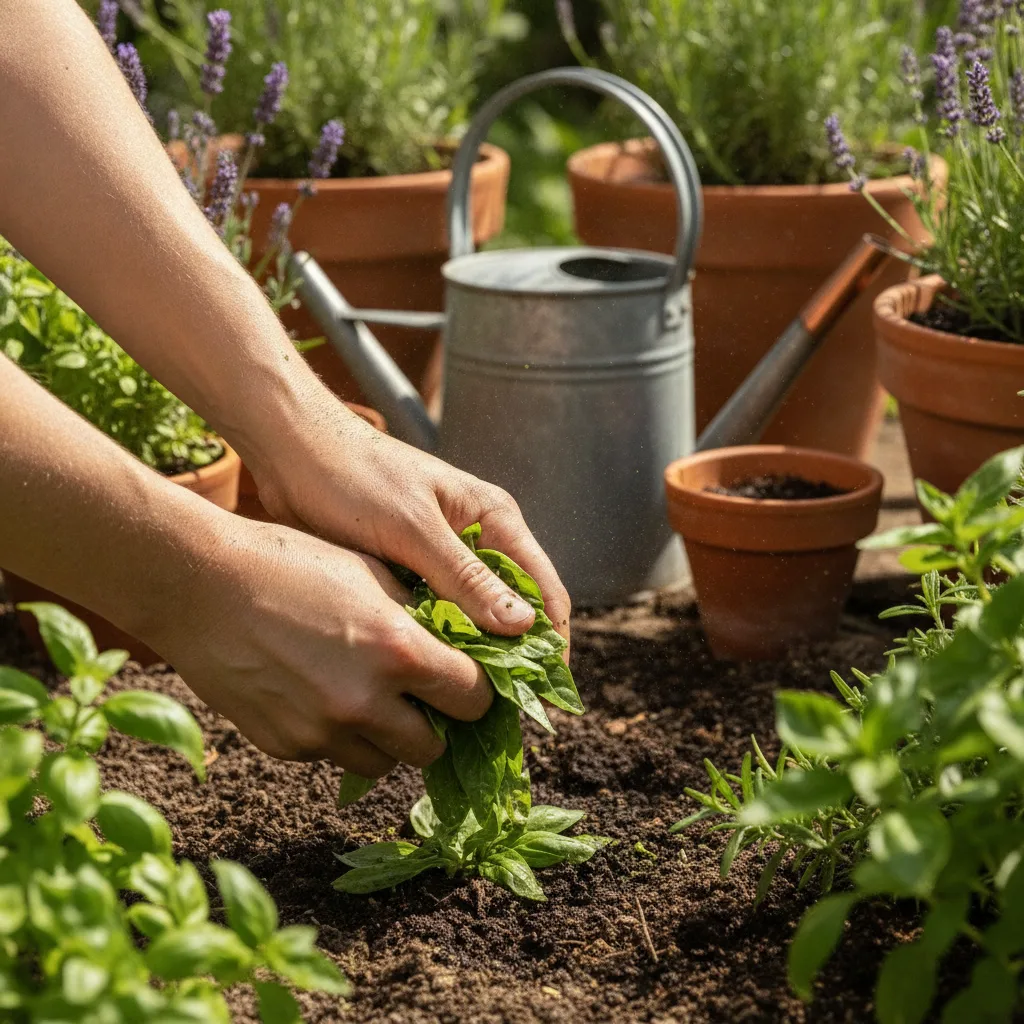
Most herbs for tea are not demanding, but they do have a few clear preferences. Washington State University Extension recommends a site that receives at least 4 to 6 hours of sun and offers well drained soil. Oregon State University Extension adds that herbs can be grown either in the ground or in pots, which is good news for anyone with only a balcony or a courtyard.
Growing tea herbs in pots is often the easiest way to start. Containers let you move plants toward the light, protect tender species like lemon verbena in cold weather and keep each herb in the conditions it likes.
Clemson Cooperative Extension points out that herbs do not all share the same moisture needs, so it makes sense to group plants with similar watering requirements together rather than treating every pot the same way. Mediterranean herbs such as lavender, thyme and rosemary prefer to dry out between waterings, while mint and lemon balm tolerate more moisture.
The challenge with mint is keeping it in check. Both Washington State and Oregon State extension services flag mint as a spreading herb, and Oregon State also mentions lemon balm in this category. Mint sends out runners that can colonize a bed in a single season.
The simplest solution is to grow it in its own pot, either on a terrace or sunk into the ground with the rim left above soil level, so the roots stay contained. Container gardening also makes it easier to keep different mint varieties separate if you enjoy comparing flavors.
When and how to harvest herbs for tea
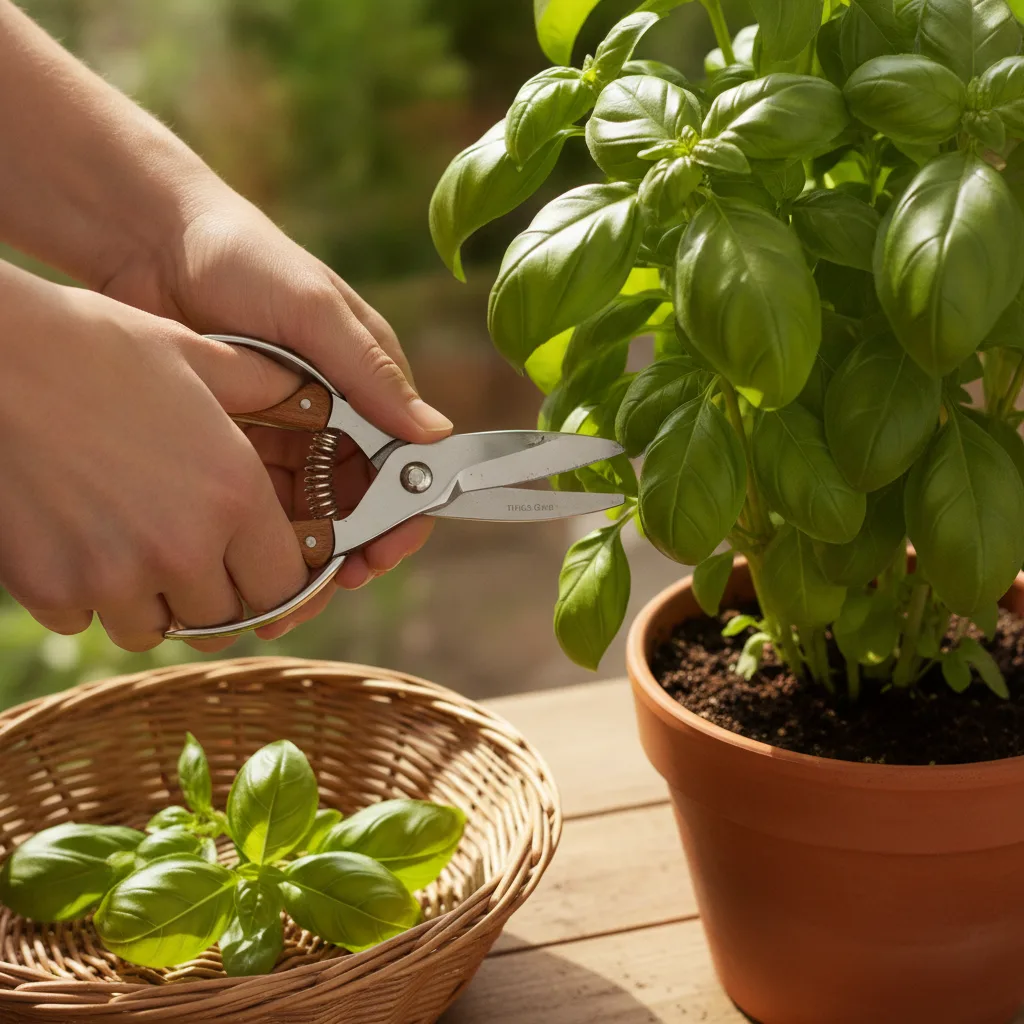
Timing makes a real difference to taste. Iowa State University Extension and Clemson Cooperative Extension both recommend harvesting on a dry morning, after the dew evaporates but before the heat of the day sets in. At that moment, leaves are free of surface moisture, which helps with drying, and their aromatic oils are well preserved.
Iowa State University Extension also notes that many herbs reach a strong flavor and fragrance around the time their flower buds appear. Treat this as a useful guideline rather than a universal rule, since the ideal moment depends on the plant and on the part you want.
For chamomile and lavender, you are harvesting the flowers themselves, so you pick them as they open. For mint, lemon balm and lemon verbena, you mainly gather leaves, and regular light cutting encourages bushier growth.
Good to know
Clemson Cooperative Extension advises never removing more than one third of a plant at a time. Following this one third rule lets your herbs recover quickly and keeps them productive throughout the season.
Use clean scissors or pruners, cut just above a pair of leaves and handle the harvest gently to avoid bruising. Leaves and flowers that are crushed in a basket lose aroma quickly.
Fresh vs dried herbs for tea and how to dry them
You can use your herbs fresh or dried, and each option has its charm. Fresh herbs give a bright, green flavor and are ideal in summer when plants are abundant. Dried herbs are concentrated and let you enjoy your garden through winter. Many gardeners use fresh leaves in season and keep a dried stock for the colder months.
Air drying is the most accessible method. Iowa State University Extension describes tying herbs into small hanging bundles and placing them in a warm, dark place with good air circulation. Drying time is not fixed: it varies with temperature and humidity, so check your bundles regularly. Herbs are ready when the leaves crumble easily between your fingers.
To avoid mold and keep the best flavor during storage, follow these steps drawn from extension guidance:
- Make sure herbs are completely dry before storing them, since Iowa State University Extension warns that insufficiently dried herbs can develop mold.
- Store them in a clean, dry, airtight container kept away from light, moisture and excessive heat.
- Label each container with the herb name and the date, as Washington State University Extension recommends.
- Consider freezing herbs as an alternative to drying, an option also mentioned by Washington State University Extension, especially for delicate leaves like lemon balm.
Labeling with the date is a small habit that pays off. It helps you use older batches first and notice when a jar has lost its fragrance.
Our three favorite homemade herbal tea blends
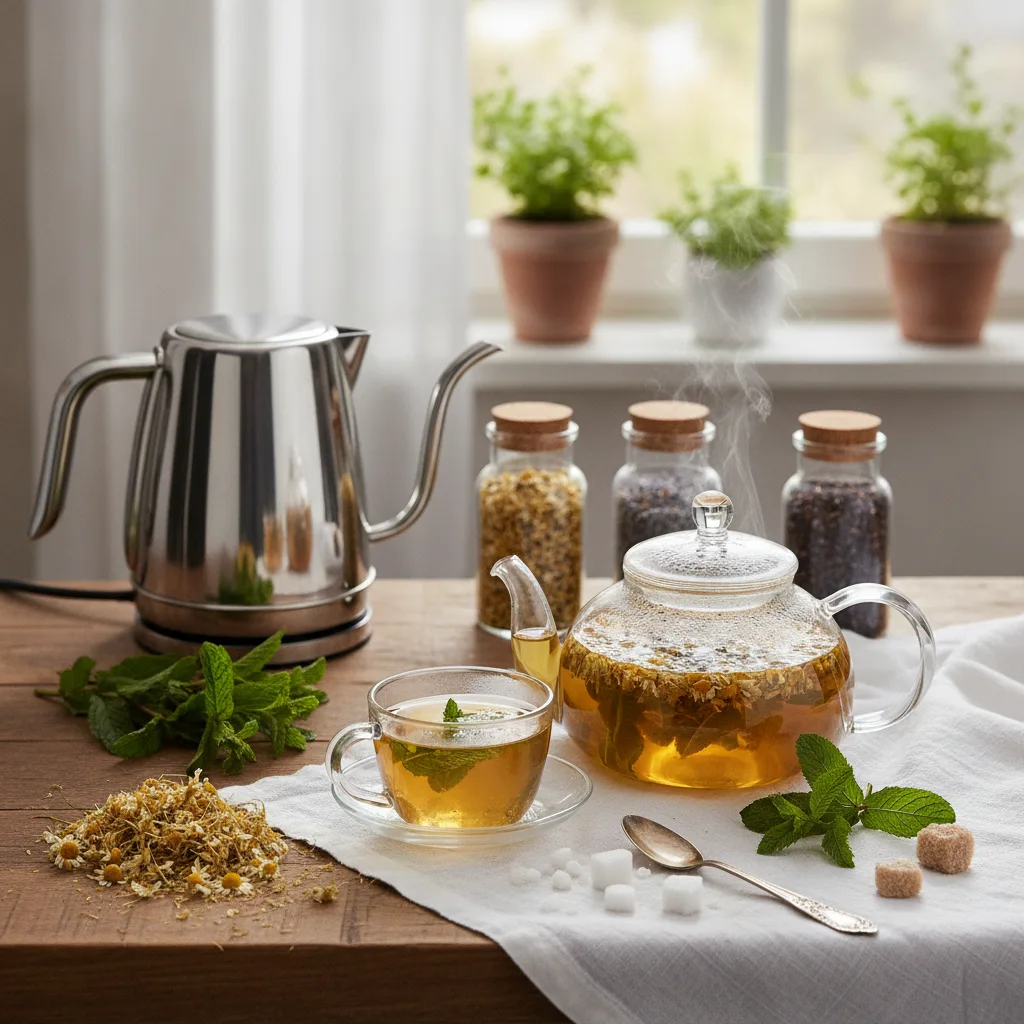
The extension guides offer simple methods rather than strict formulas. Oregon State University Extension suggests rinsing fresh herbs, steeping them in hot water for about 10 minutes, then straining. Clemson Cooperative Extension recommends boiling water and a steeping time of 5 to 10 minutes, while the University of New Hampshire Extension suggests 8 to 10 minutes.
Use these ranges as starting points and adjust to your own taste: a shorter infusion gives a lighter cup, a longer one a deeper flavor. A strainer or tea infuser is all the equipment you need.
Mint and lemon balm tea blend
This is the easiest blend to start with, since both herbs grow vigorously. Combine roughly equal amounts of fresh mint and lemon balm leaves, bruise them lightly to release their aroma and cover with hot water. The mint brings freshness while lemon balm adds a soft citrus note. It works beautifully with fresh herbs in summer and remains pleasant with dried leaves in winter.
Chamomile lavender tea blend
For a gentle evening cup, use chamomile flowers as the base and add just a few lavender flowers. Lavender is powerful, so a small pinch is enough to perfume the infusion without making it taste soapy. Cover the flowers and let them steep, then strain carefully.
This chamomile lavender tea blend is one of the best reasons to let a corner of your garden fill with flowers, as both plants are also appreciated by pollinators.
Lemon verbena and thyme blend
Lemon verbena has an intense, sweet lemon scent that shines in an infusion. Pair a few of its leaves with a sprig of thyme for a slightly herbaceous, warming note. This blend is a nice way to use herbs from a sunny, dry part of the garden, and it dries particularly well for winter use.
These herbal tea recipes with fresh herbs are only a base. Once you know how each plant tastes on its own, you can experiment with rosemary, bee balm or other herbs from your garden to create your signature herbal blend.
Safety first: identification, chemicals and health
A homemade tea is only as good as the plants that go into it. Always be certain of plant identification before brewing anything, and never use an herb you cannot name with confidence.
Rinse your harvest before preparation, as the extension guides recommend, and avoid using plants that may have been exposed to garden chemicals and pesticides, such as herbs growing near treated areas or along busy roadsides. Growing your own from organic seed is the simplest way to know exactly what is in your cup.
It is also worth separating a culinary tea from an herbal supplement. A cup of garden tea enjoyed for its flavor is not the same thing as a concentrated herbal product taken for a specific purpose. MedlinePlus explains that some herbal products can cause side effects, interact with medicines or be toxic at high doses. Garden infusions should not be presented as treatments or cures.
Important
If you take medication, are pregnant or breastfeeding, or have a health condition, MedlinePlus advises talking with a healthcare professional before using herbs medicinally. This is the safest way to rule out herb drug interactions.
Start your own herbal tea garden with tisanes du jardin
Creating your own tisanes du jardin is a gentle way to reconnect with your garden and with the seasons. Start with a few reliable herbs like mint, lemon balm, chamomile, lavender and lemon verbena, give them sun and good drainage, harvest them on dry mornings and store your surplus with care. From there, each cup becomes a small moment of slow living.
To find organic seeds for your herbal tea garden, you can explore the Seeds Wild marketplace, and our SeedsWild AI app can help you choose plants suited to your local conditions.
FAQ
Do I need boiling water for garden herbal tea?
Clemson Cooperative Extension recommends boiling water, while other guides simply mention hot water. For delicate flowers such as chamomile, many people let the water rest briefly after boiling. Taste is the best guide, so try both and keep what you prefer.
Can I mix fresh and dried herbs in the same cup?
Yes. Mixing them is a practical way to use what you have, for instance fresh mint from a pot with dried chamomile from last season. Keep in mind that dried herbs are more concentrated, so use a smaller amount than you would of fresh leaves.
How do I know when my dried herbs are past their best?
Check color and aroma. Herbs that have faded and no longer release a clear scent when crumbled will give a flat infusion. Labeling each jar with the date makes it easier to rotate your stock and use older batches first.
Can I grow an herbal tea garden on a shaded balcony?
Most tea herbs prefer at least 4 to 6 hours of sun, according to Washington State University Extension. On a partly shaded balcony, mint and lemon balm usually cope better than lavender or thyme, which need full sun to thrive.